A closer look at industrial innovation走近产业创新现场
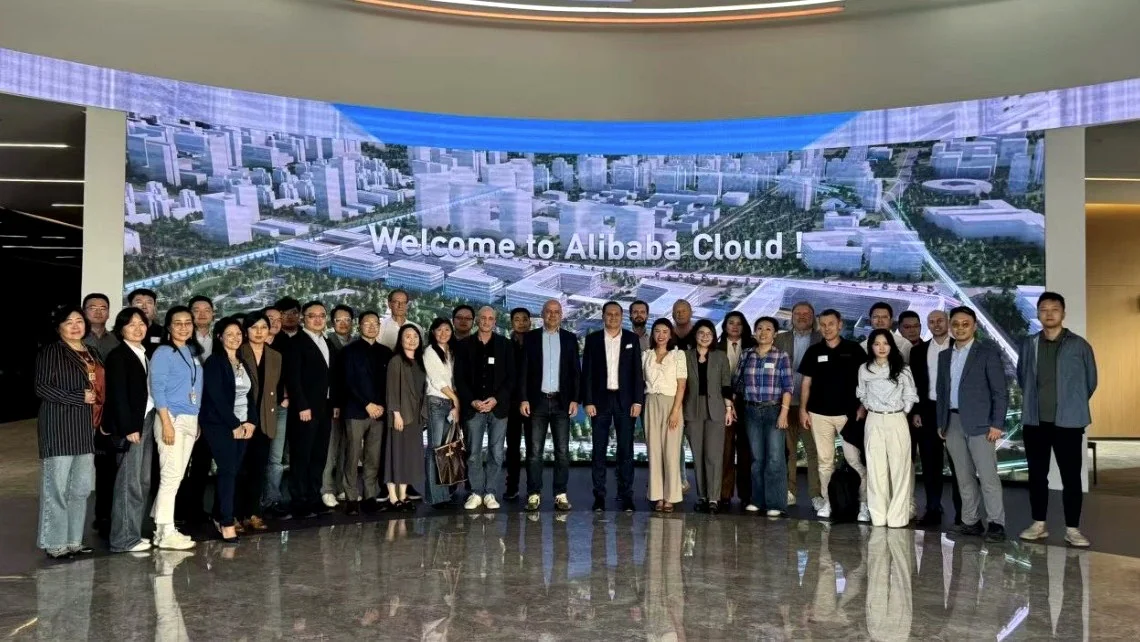
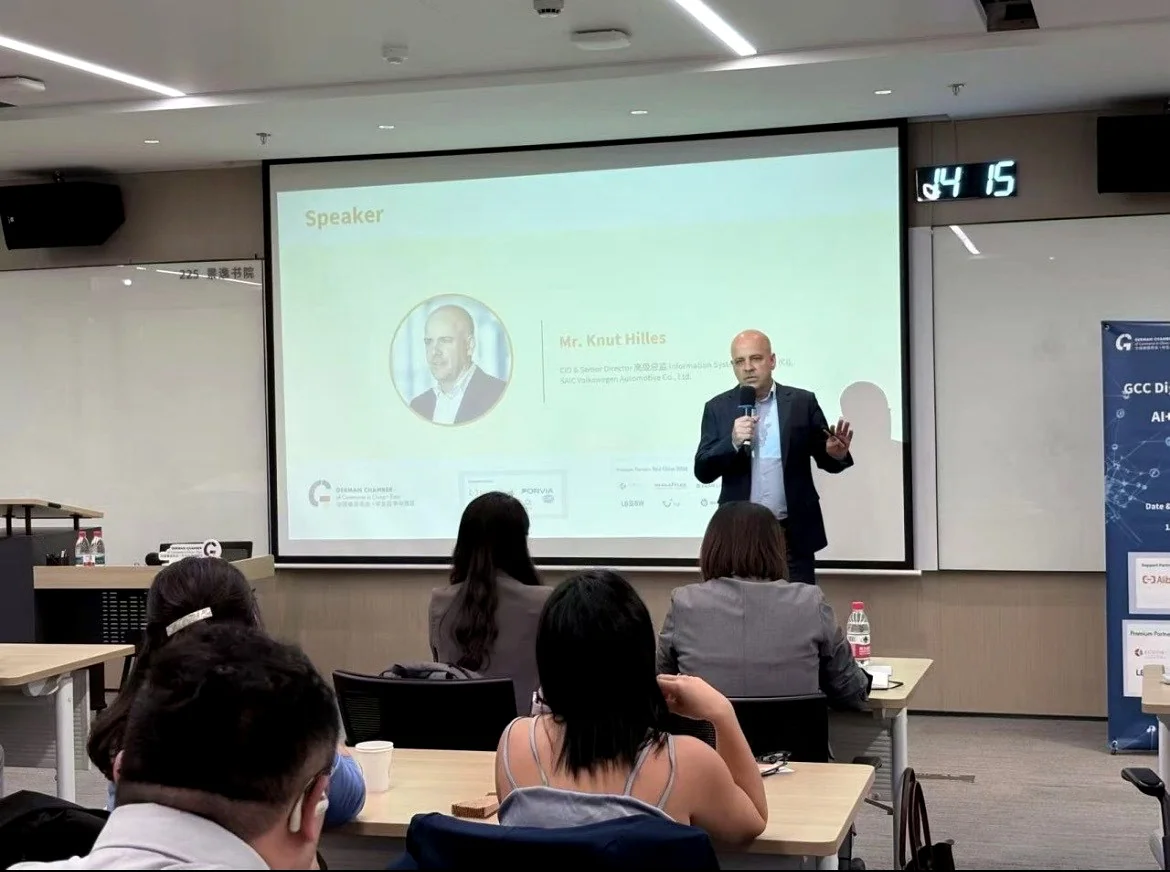
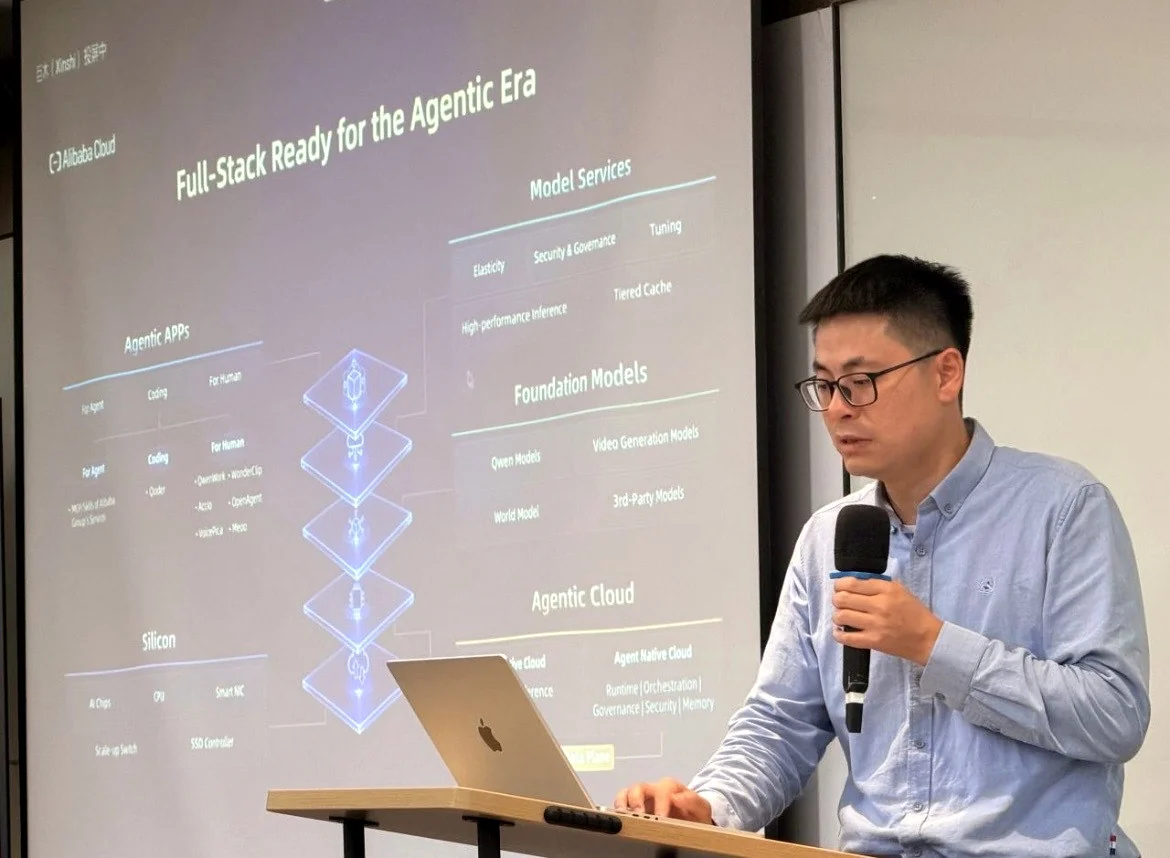
On 22 October 2026, Huaou Business Hub attended GCC Digitalization Day: AI+Automotive, organized by the German Chamber of Commerce in China – East China, at Alibaba Cloud’s Cloud Valley Campus in Hangzhou. The event brought technology and automotive perspectives together to explore how artificial intelligence is reshaping products, industrial capabilities and business processes.2026年10月22日,华欧商汇参加了由中国德国商会华东及华中地区举办的“GCC数字化日:AI赋能汽车”主题活动,地点位于杭州阿里巴巴云谷园区。活动汇集科技与汽车产业视角,围绕人工智能如何改变产品、产业能力与企业业务流程展开交流。
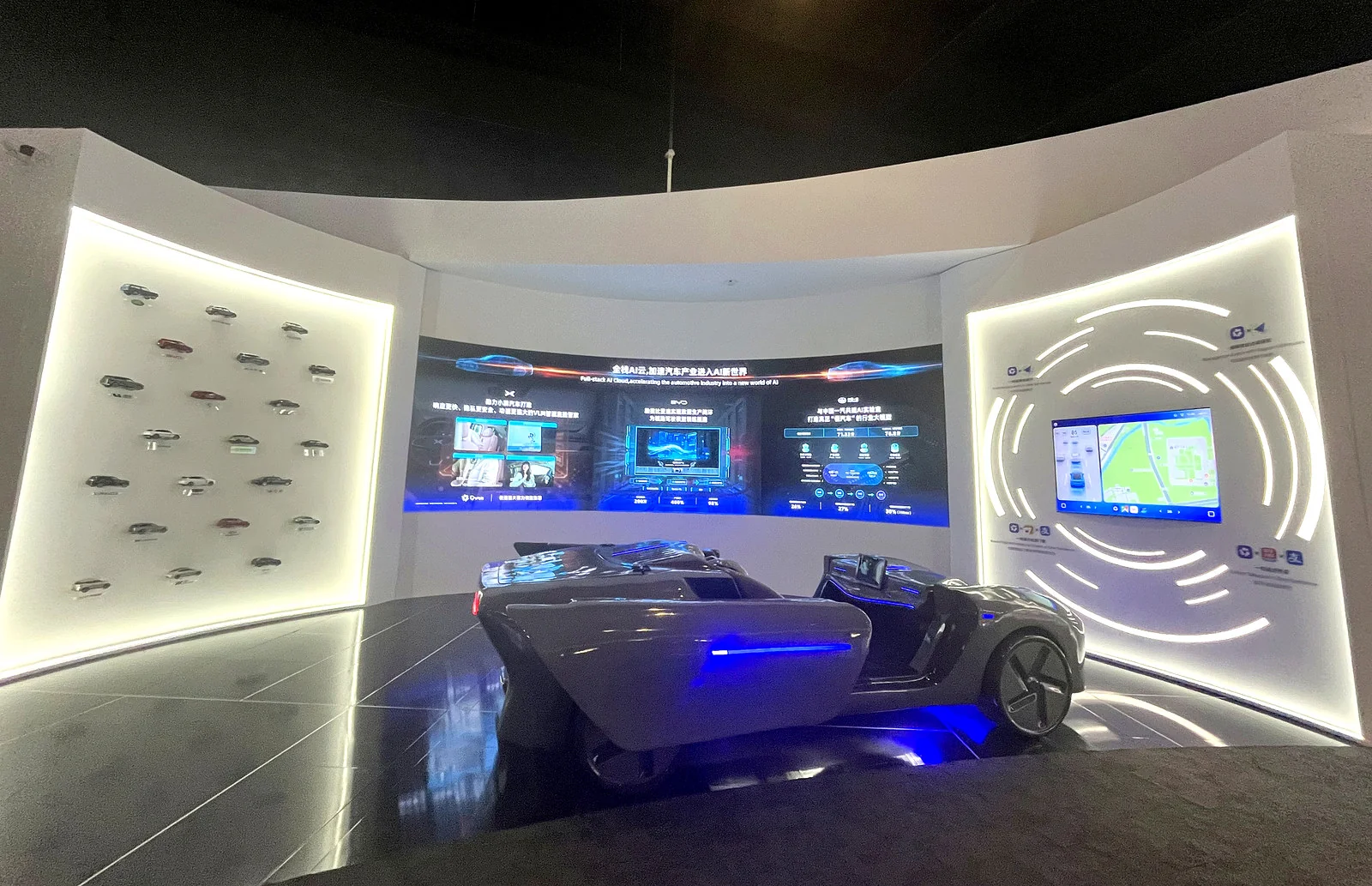
The presentations and on-site visit offered three useful perspectives: the ecosystem supporting AI development, the changing automotive value chain, and the practical requirements for enterprise adoption. The observations below are Huaou’s own interpretation of these themes.结合现场分享与园区参访,我们重点关注三个方面:支撑AI发展的产业生态、正在重塑的汽车价值链,以及企业落地AI所需的实际条件。以下分析为华欧商汇基于活动主题形成的独立观察。
1. AI competitiveness depends on an ecosystem一、AI竞争力取决于系统性生态
China’s AI landscape is shaped not only by individual models or startups, but also by access to computing infrastructure, usable data, scientific research, talent, and opportunities to apply technology at industrial scale. Hangzhou’s emerging technology companies provide one illustration of that interplay.中国AI产业的竞争力不仅来自单一模型或初创企业,也取决于算力基础设施、可用数据、科研能力、人才供给与产业应用场景的相互作用。杭州涌现的科技创新企业,是这一生态协同的生动体现。
For international businesses, assessing a technology ecosystem therefore means asking how capabilities become commercially viable solutions, which customer problems they solve, and what is required to scale adoption.因此,国际企业评估中国AI生态时,需要进一步追问:技术能力如何转化为商业解决方案?解决了哪些真实客户问题?实现规模化应用又依赖什么条件?
2. AI is changing the automotive value chain二、AI正在改变汽车产业价值链
Software-defined vehicles, intelligent functions, and new digital architectures are adding layers of competition to an industry long defined by engineering and manufacturing. Discussions at the event illustrated the need to connect local innovation with wider product and platform strategies.软件定义汽车、智能化功能和新的数字架构,使传统上以工程与制造见长的汽车行业增加了新的竞争维度。活动讨论也让我们看到,本地化创新与全球产品、技术平台战略之间的衔接正在变得更加重要。
China is a major automotive market and a place where new technologies and localized solutions are tested. For multinational manufacturers and suppliers, strategic questions include where to localize development, how to work with technology partners, and which solutions can travel across markets.中国既是重要汽车市场,也是新技术与本土化方案的实践场景。对于跨国整车企业与供应商,值得研究的问题包括:哪些环节需要本土研发?如何与科技伙伴合作?哪些创新能够适用于其他国家和地区?
3. Enterprise AI adoption is an organizational task三、AI落地同样是组织管理课题
AI-enabled knowledge retrieval, decision support, software development and workflow optimization are moving from experiments into everyday business discussions. But successful adoption depends on more than selecting a model.从知识检索、辅助决策,到软件开发和业务流程优化,AI应用正在从技术试验逐步进入日常经营讨论。然而,落地效果并不只取决于选用什么模型。
Data governance, system integration, security, workforce capabilities and a clear definition of business value all matter. The management question is increasingly where AI can deliver measurable improvements—and how an organization can redesign processes to realize them.数据治理、系统整合、安全要求、人才能力与清晰的商业价值界定同样关键。企业需要识别AI能够在哪些场景带来可衡量的改善,并通过流程与组织调整兑现这些潜在收益。
4. Implications for international companies and business education四、对国际企业与商学教育的启示
For international companies, keeping pace with China’s industrial transformation requires combining desk research with discussions with people building, operating and adopting new technologies. Such exchanges can clarify where opportunities are real, where conditions differ across markets, and what evidence is still missing.对国际企业而言,理解中国产业转型,既需要案头研究,也需要与技术开发者、产业经营者和实际使用者交流。这样的对话有助于判断机会是否真实、不同市场条件有何差异,以及决策还缺少哪些证据。
For business schools and executive education providers, visits to innovative companies can become more valuable when linked to a defined learning question: What changes in a business model? Which capabilities are transferable? What trade-offs must managers assess?对商学院与高管教育机构而言,企业参访若能围绕明确的学习问题设计,价值将超越简单的参观:商业模式发生了什么变化?哪些能力具有可迁移性?管理者需要权衡哪些关键因素?
Huaou Business Hub works at the intersection of China market insight, executive learning and institutional engagement. Experiences such as this help inform our approach: connect international perspectives with direct exposure to the people, companies and ideas shaping China.华欧商汇关注中国市场研究、高管学习与机构合作的交汇点。此次参访也进一步印证了我们的工作方向:让全球视野与中国商业现场相连接,通过真实企业、行业实践与有目标的交流深化理解。
We thank the German Chamber of Commerce in China and the speakers for the opportunity to engage with these topics.感谢中国德国商会及各位分享嘉宾提供此次交流学习的机会。
Event information & editorial note活动信息与编辑说明
Event: GCC Digitalization Day: AI+Automotive · 22 October 2026 · Hangzhou, China.活动:GCC数字化日:AI赋能汽车 · 2026年10月22日 · 中国杭州。
This article is an independent field note based on event participation. It does not represent an endorsement, client engagement or formal partnership with Alibaba Cloud, Volkswagen, the German Chamber or any speaker.本文是基于活动参与形成的独立产业观察,不意味着华欧商汇与阿里云、大众汽车、中国德国商会或任何演讲嘉宾存在客户关系、项目合作或商业背书。
← Back to China Insights← 返回洞见中国